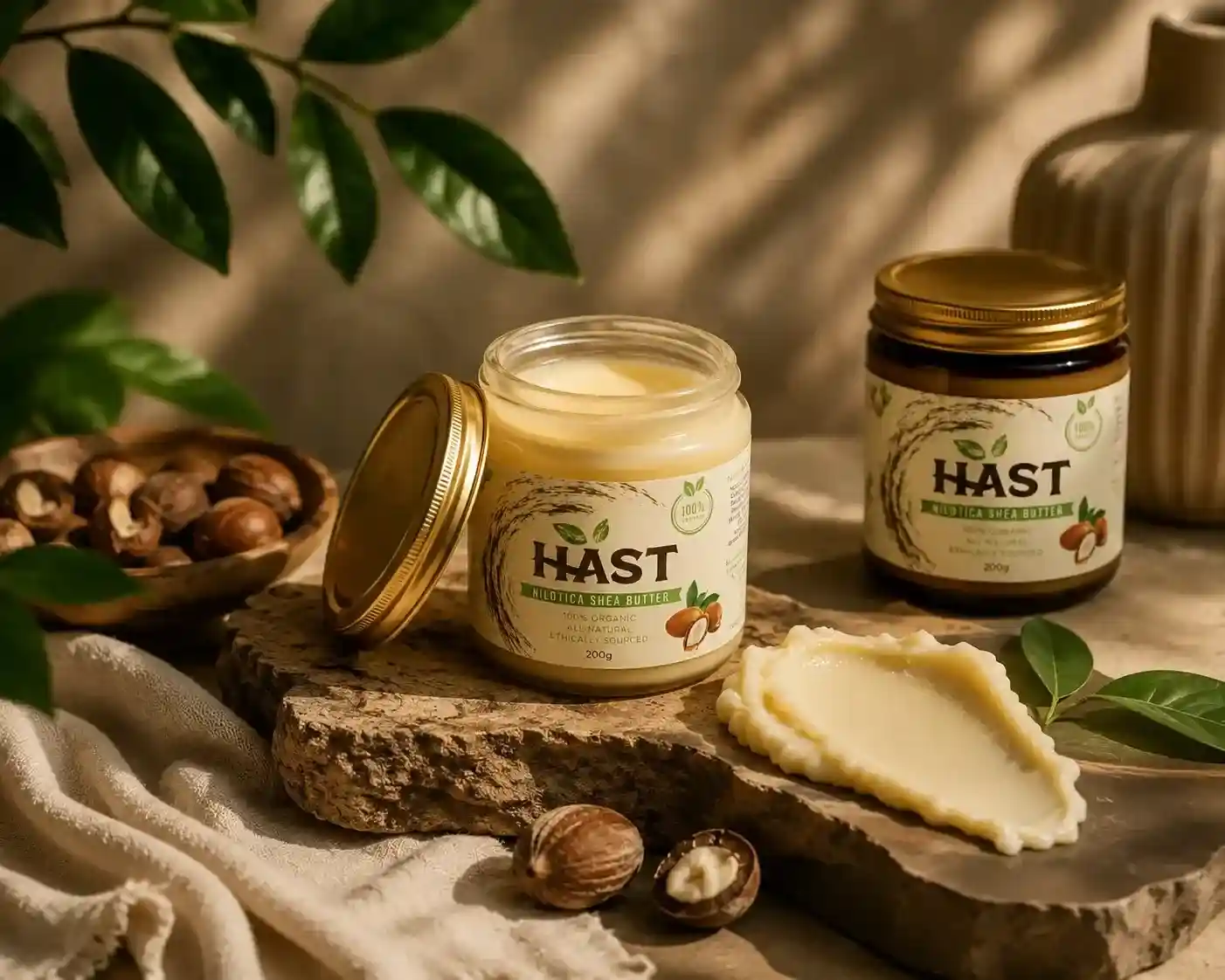
Most shea butter on the market has been refined, bleached, and deodorised. Here is why that matters, and why it should make you rethink your moisturiser.
The shea butter market is not transparent. Products labelled "natural" or "pure" can have been through significant industrial processing before they reach the shelf. The two most important processing distinctions to understand are cold-pressing and refining — and knowing the difference will permanently change how you shop for skincare.
How Cold-Pressing Works
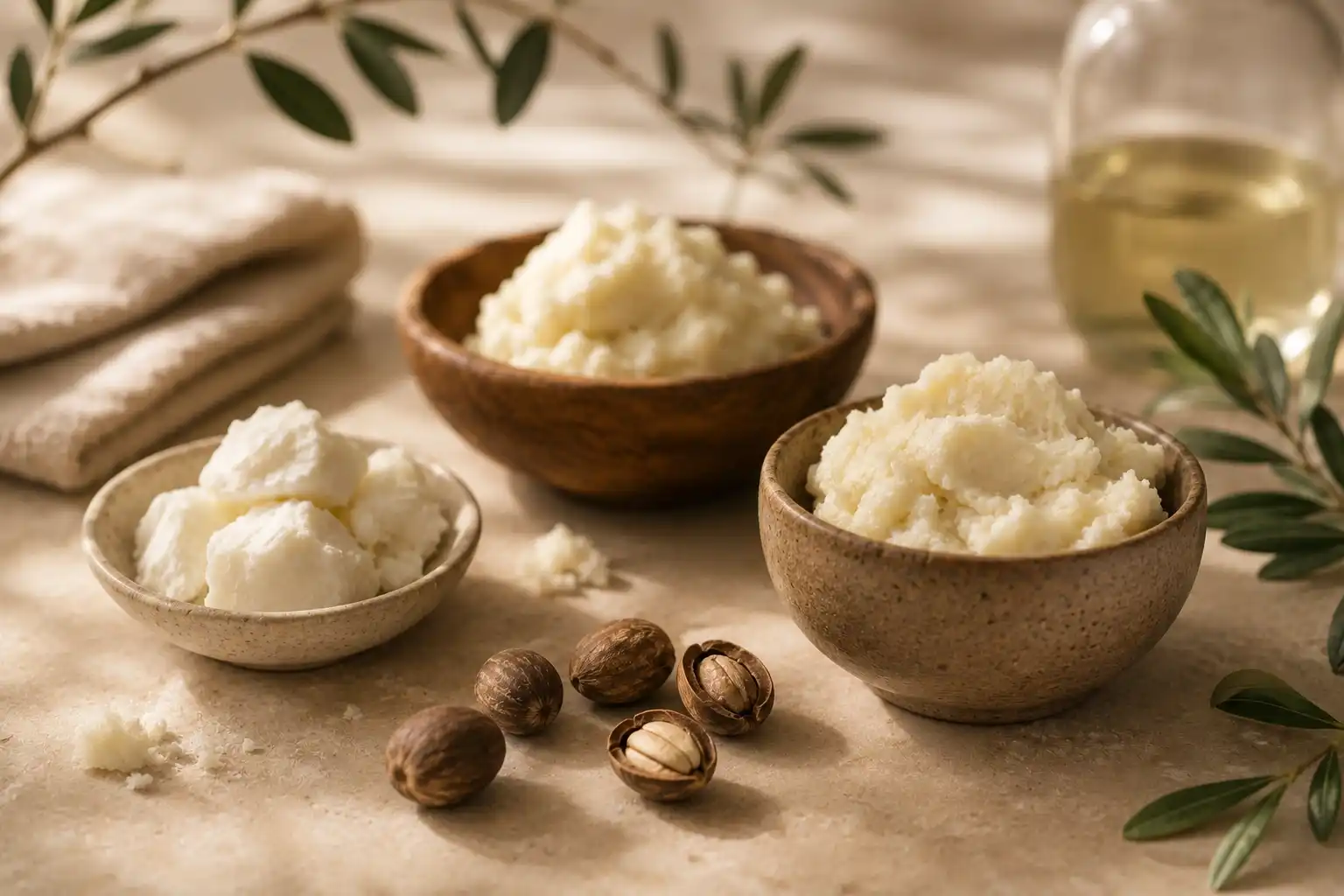
Cold-pressing is a mechanical extraction method. The dried shea seeds are placed under enormous physical pressure, which forces the butter out of the seed without the use of heat or chemical solvents. The term "cold" refers to the temperature being kept below a threshold at which heat-sensitive compounds would begin to degrade — typically around 40–50°C.
Because the extraction uses only pressure, the butter retains its natural colour, scent, and the full complement of vitamins, fatty acids, and antioxidants present in the raw seed. Cold-pressing is slower and less efficient than heat extraction, which is why it is less common commercially. But for the end user, the result is categorically superior.
How Refining Works
Refining typically begins with solvent extraction — using chemical solvents to extract as much oil as possible from the seed, maximising yield. The raw extract is then subjected to a series of treatments: degumming to remove phospholipids, bleaching to remove colour, and deodorising using high-pressure steam at temperatures that can exceed 200°C.
The result is a product that is bright white, odourless, and visually uniform. It has a longer shelf life because many of the compounds that cause natural oxidation — and also provide skin benefits — have been removed. But it is nutritionally diminished, a shadow of what the raw ingredient contained.
What Each Method Preserves
Cold-pressed shea butter retains vitamin E (tocopherol), vitamin A precursors (carotenoids), cinnamic acid esters with anti-inflammatory properties, lupeol as an antioxidant triterpenoid, and the full fatty acid profile including oleic, stearic, linoleic, and palmitic acids. Refined shea butter retains primarily the fatty acids — particularly stearic and oleic — which provide its basic moisturising ability. Everything else is significantly reduced or absent.
In practice, this means refined shea butter moisturises, but little more. Cold-pressed, unrefined Shea Nilotica Butter moisturises, repairs, protects, soothes, and supports long-term skin health. The difference is not subtle.
Which Should You Choose?
For anyone using shea butter to address dryness, sensitivity, uneven texture, or premature ageing — cold-pressed, unrefined butter is the only logical choice. You are paying for the active compounds, and refining removes them.
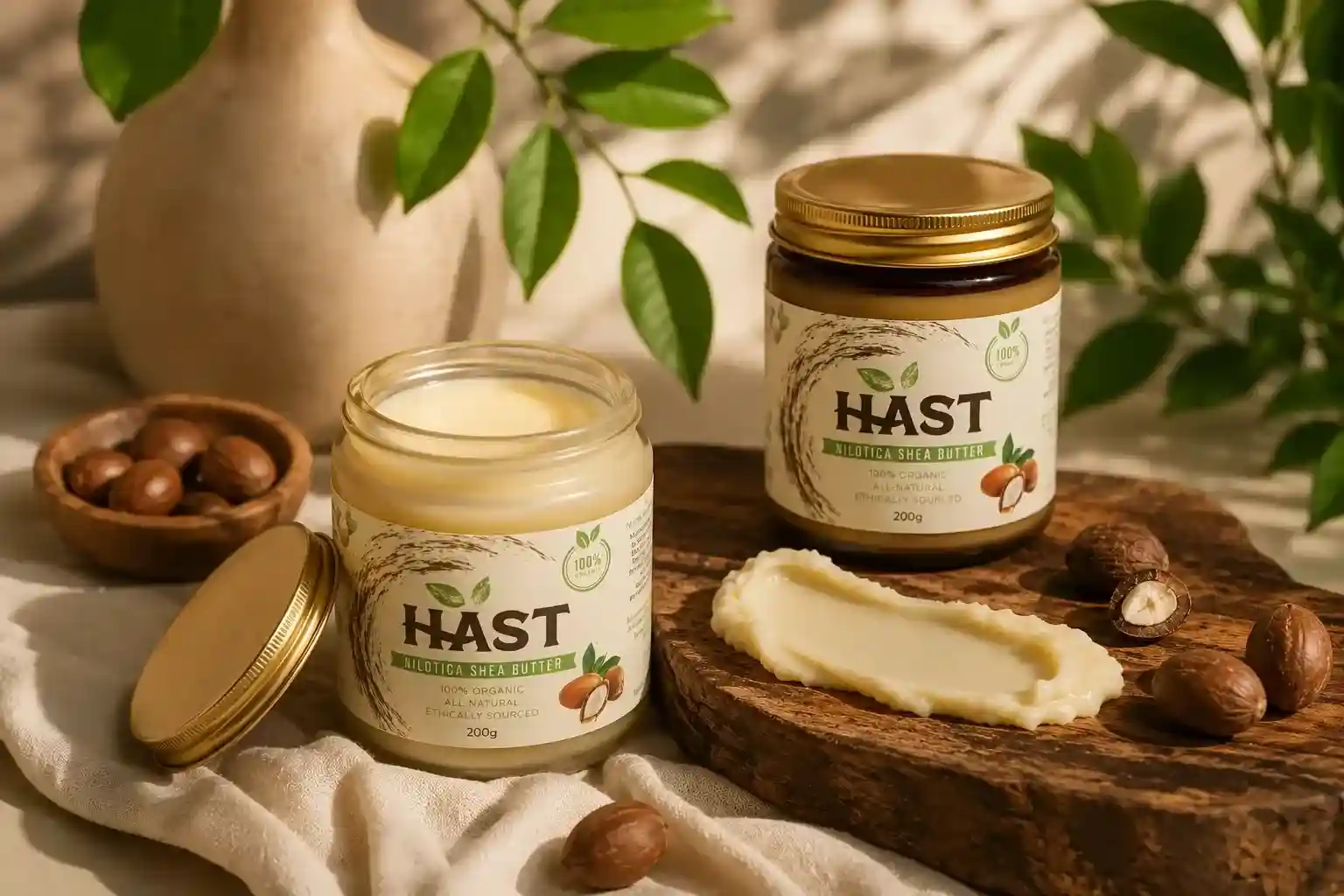
Hast Shea Nilotica Butter is always cold-pressed and always unrefined. We do not bleach, deodorise, or add anything. The butter you receive is as close to the raw, wild-harvested seed as it is possible to get while remaining safe and stable to use. That commitment is non-negotiable.