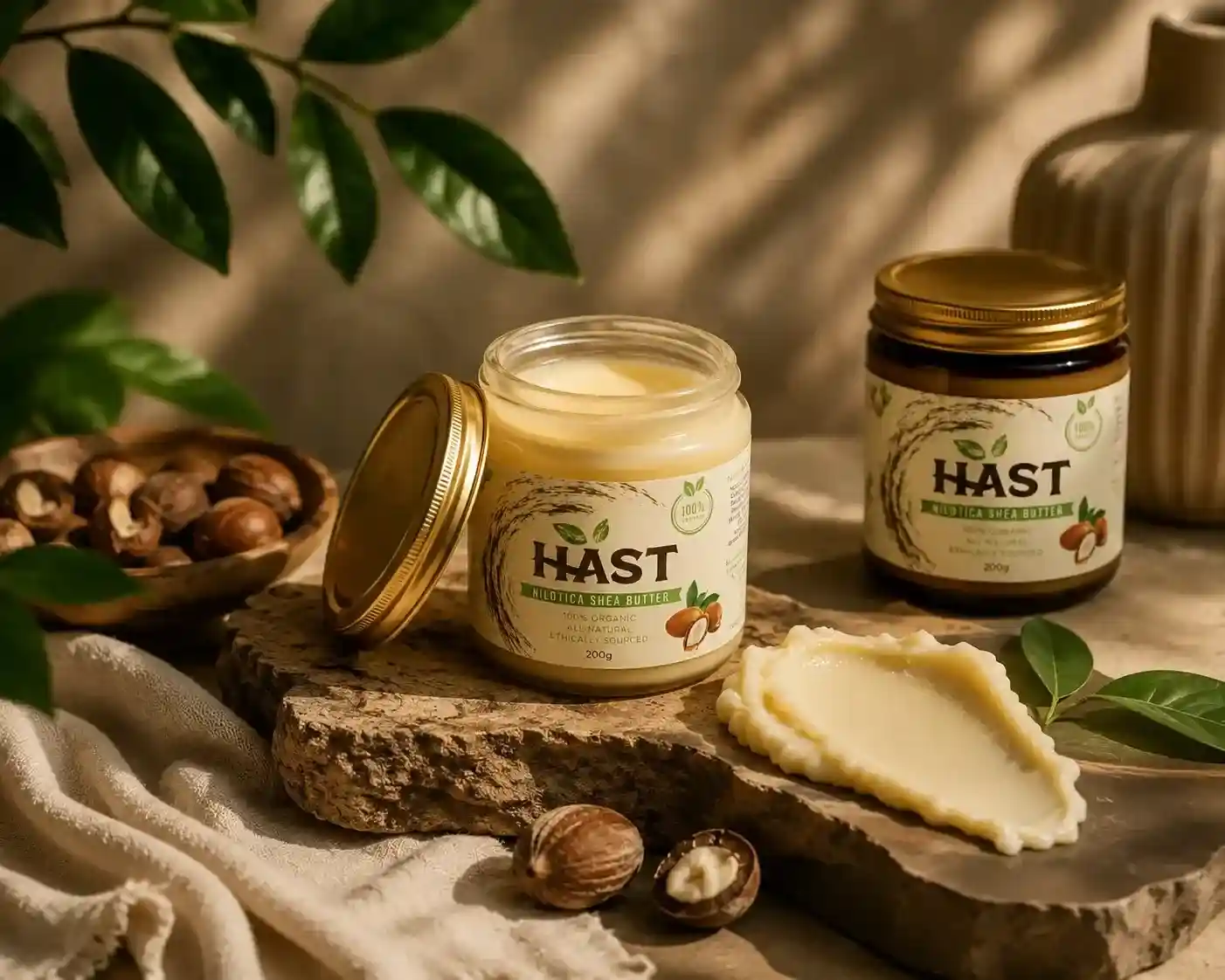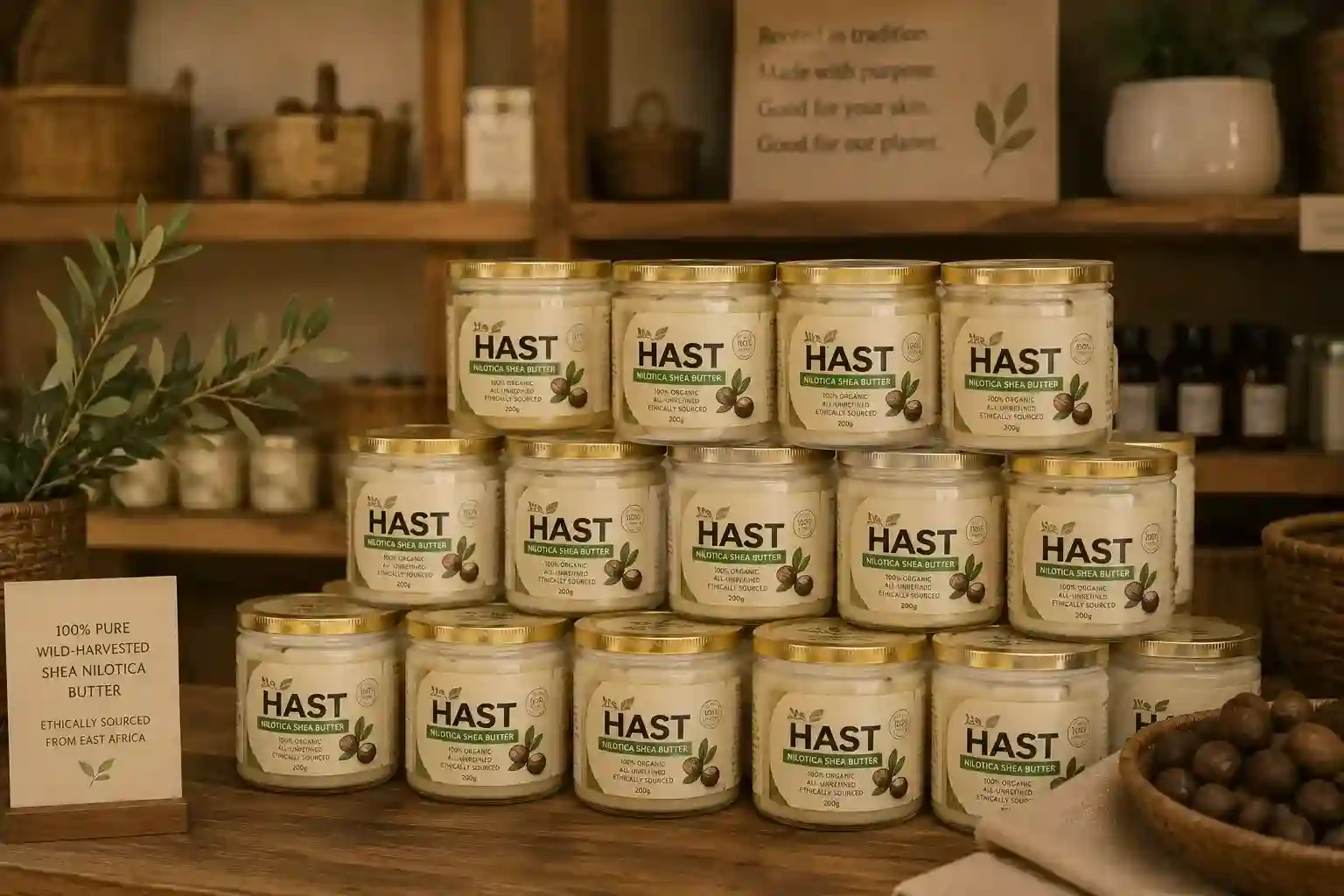
Every jar of Hast Shea Nilotica Butter begins with a community. We explore the partnerships, practices, and principles that ensure fair pay and sustainable livelihoods across East Africa.
Skincare products rarely invite you to consider where they come from. The label lists ingredients, the packaging is attractive, and the marketing communicates aspiration. But for natural products like Shea Nilotica Butter — harvested by hand, in a specific part of the world, by specific communities — the sourcing story is not incidental. It is the product.
Who Harvests Hast Shea Nilotica Butter
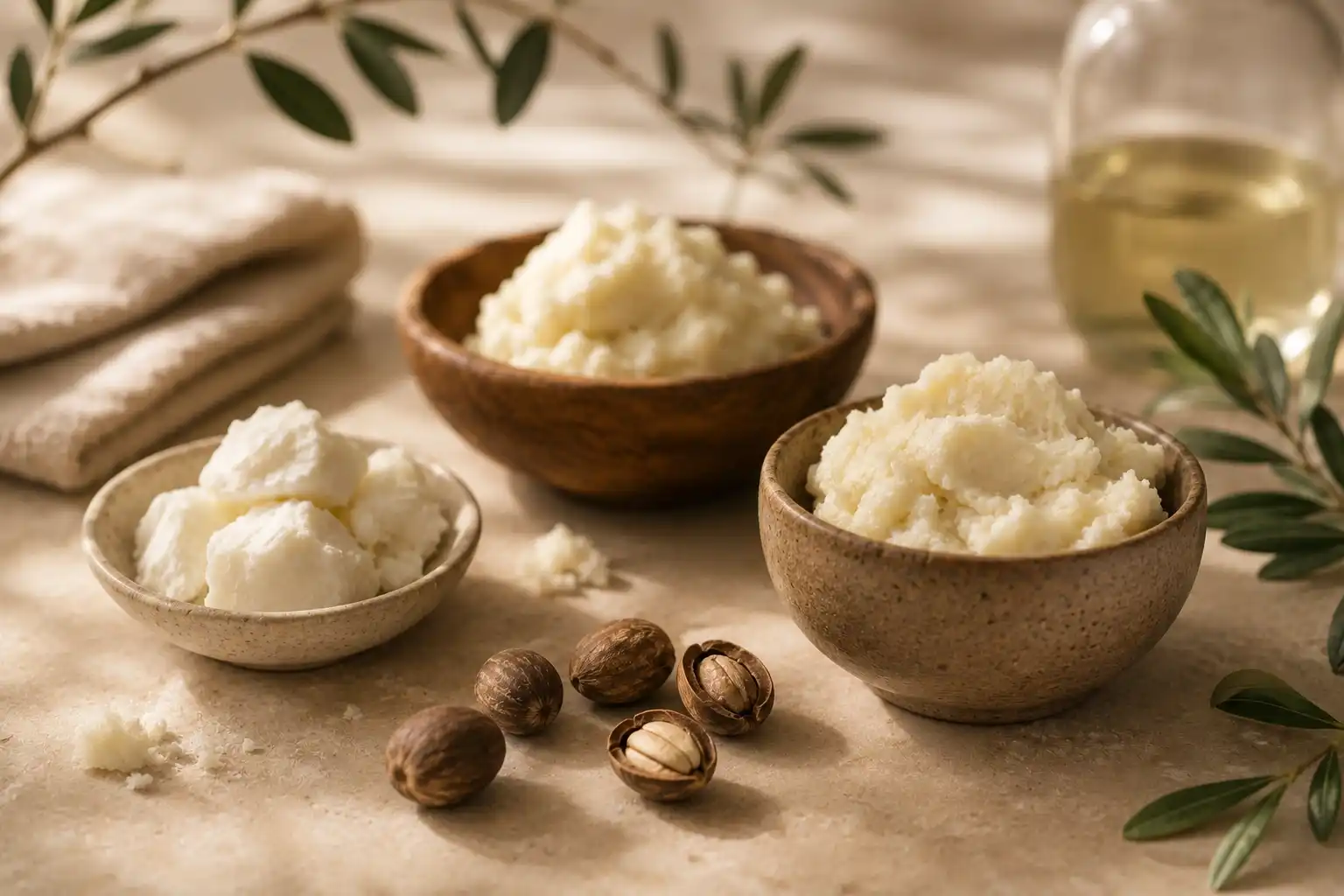
Shea Nilotica trees grow wild across the grasslands of Uganda and South Sudan. For generations, the communities living alongside these trees have harvested their fruit as part of a seasonal economic cycle. The women of these communities — who hold the traditional knowledge of the harvest, the drying, and the processing — are the primary harvesters.
Hast works directly with these harvesters, eliminating the long chain of intermediaries that typically depresses prices paid to producers at source. Direct partnership means that the premium charged for a high-quality, ethically sourced product flows back to the people who actually produce it, not to a succession of traders and distributors.
Fair Trade in Practice
Fair trade is sometimes treated as a marketing label rather than a practice. At Hast, it means paying above-market prices for every kilogram of butter purchased, providing advance payment to allow harvesters to plan and invest in their own operations, and committing to consistent orders that give producers economic predictability.
It also means transparency about what a fair price looks like. We believe that if the price we pay for our raw material does not support a dignified livelihood for the people who produce it, we are not running an ethical business — regardless of what the packaging says.
Environmental Sustainability
Wild-harvesting Nilotica shea is, by its nature, sustainable. The trees are not planted or cultivated — they grow naturally as part of the savannah ecosystem. Harvesting the fruit does not harm the tree; the fruit falls naturally, and gathering it from the ground is entirely non-invasive. The trees continue to grow, flower, and fruit indefinitely.
Crucially, the economic value of the wild Nilotica tree gives local communities a strong incentive to protect it. When a tree is more valuable alive and productive than converted to farmland or firewood, it stays alive. Sustainable sourcing and conservation are not separate goals — they are the same goal.
Why This Matters to You as a Consumer
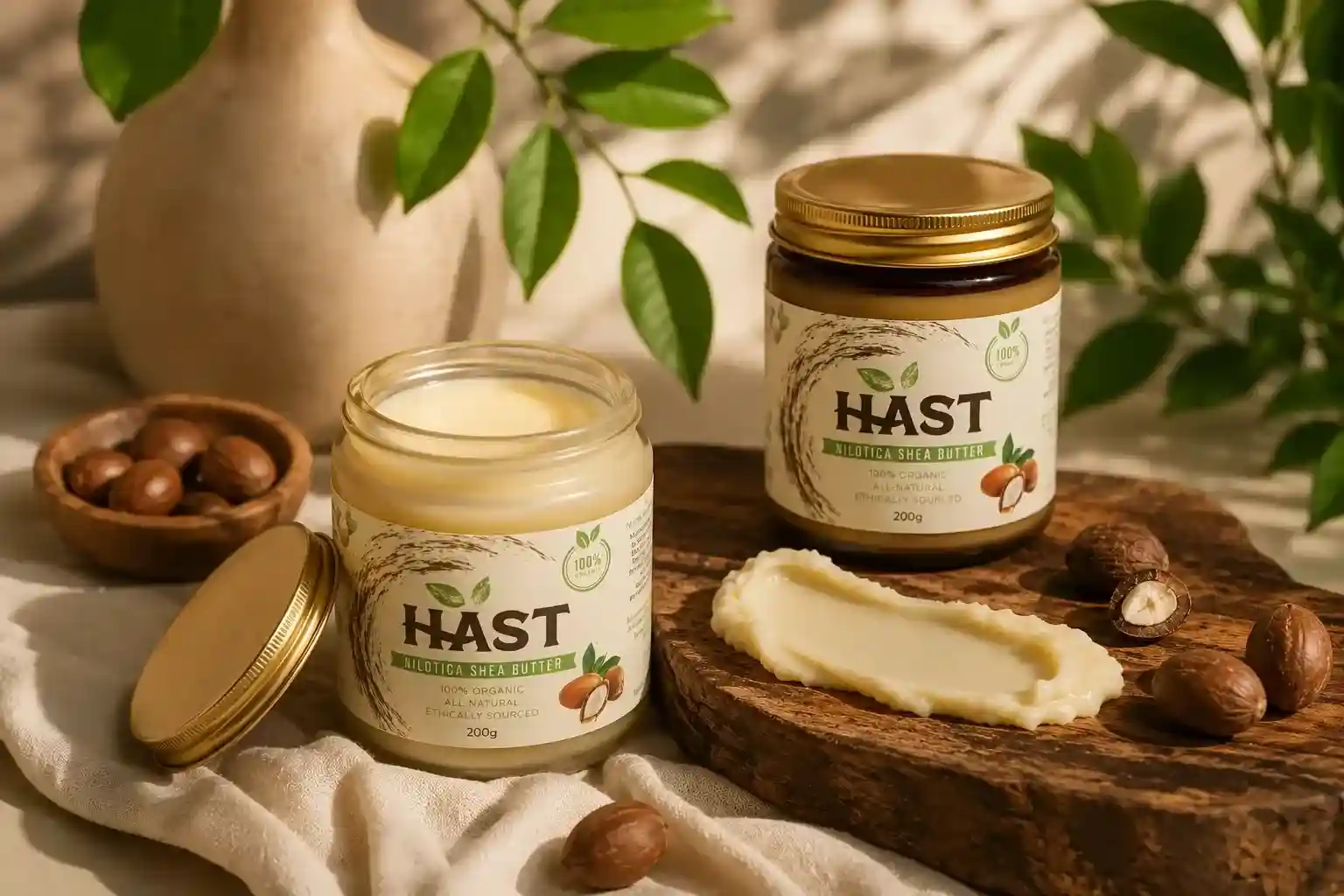
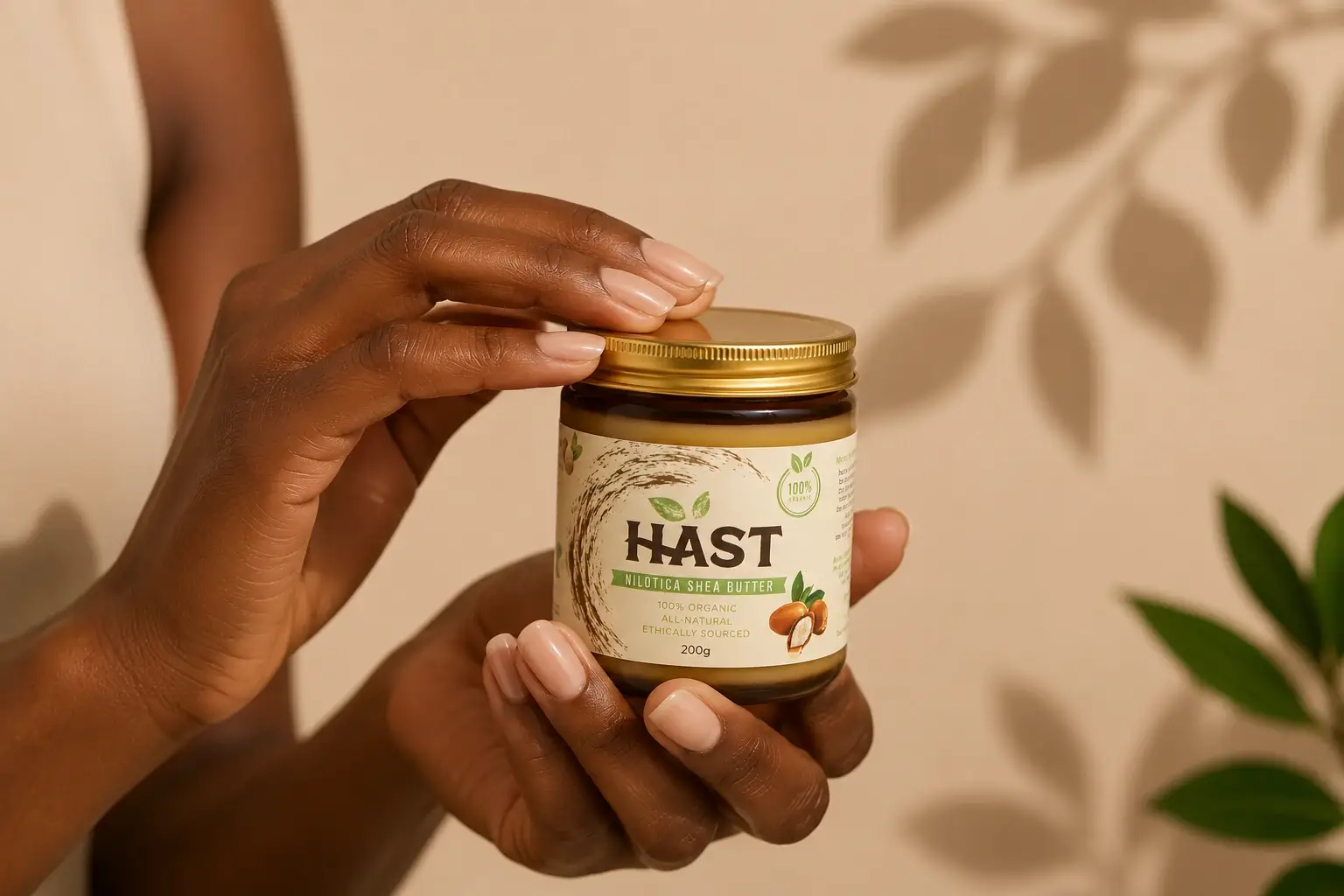
Every jar of Hast Shea Nilotica Butter is a small but concrete choice. It is a choice to support a supply chain that pays fairly, harvests sustainably, and keeps traditional ecological knowledge alive. It is also a choice for your skin — because butter sourced this way retains its full nutritional integrity, uncompromised by the industrial shortcuts that cheaper products require.
The best skincare is honest skincare. Honest about what it contains, honest about where it comes from, and honest about who made it. That is what we are committed to at Hast, and it is what makes the difference between a product and a practice.